

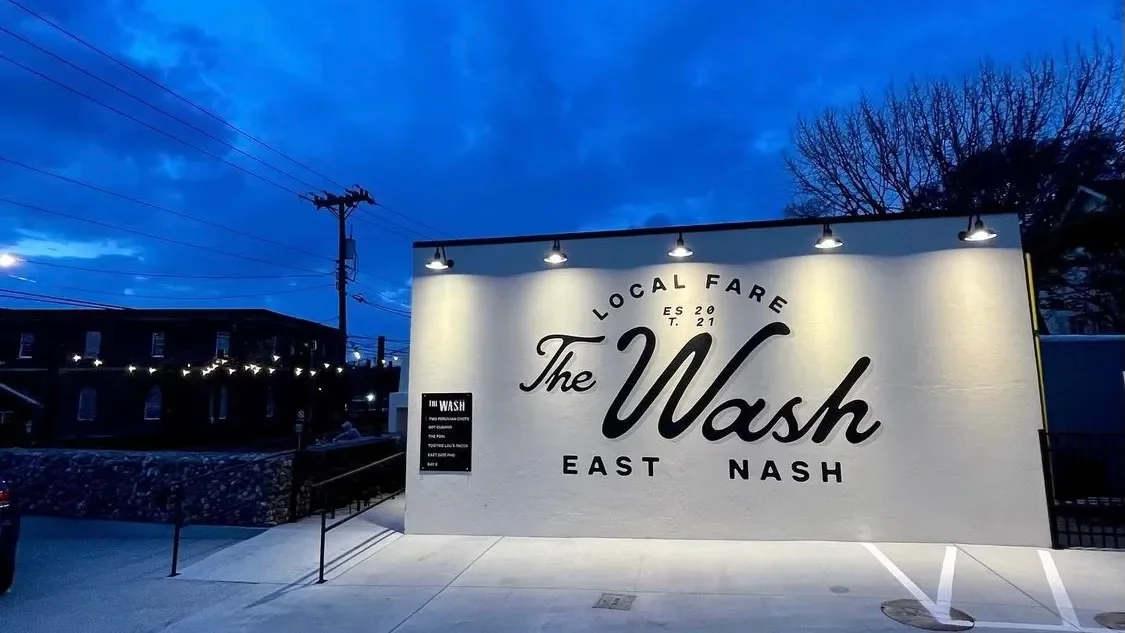
The Wash, East Nashville
Invest in Commercial Real Estate Alongside Tyler Cauble
Most accredited investors looking at commercial real estate run into the same problem. They want exposure to the asset class. They don't want to find the deals, underwrite the deals, manage the renovations, hire the property managers, or chase tenants for rent.
That's what my team and I do at Hamilton Development. We acquire, reposition, and operate commercial real estate across Middle Tennessee and the Southeast. Limited partners come along for the ride.
Hamilton Development has acquired more than 2.1 million square feet of commercial real estate since 2019. We currently manage approximately $75 million in assets in-house, across value-add office, retail, industrial, hospitality, and mixed-use opportunities. We're actively raising for additional acquisitions.
If you want commercial real estate in your portfolio without becoming a commercial real estate operator yourself, this page is the start of that conversation.
Why Invest with Hamilton Development
Most commercial real estate syndicators are capital aggregators. They raise money, hire operators, and hope the operators perform. We're built differently.
I'm a commercial broker with eyes on every transaction in our market. I'm a developer with crews actively working on properties. I'm a coach to 150-plus operators who share deal flow with me every week. And I run Hamilton Development as the operator on every deal we acquire.
That stack matters because it changes what we know before we buy. We see deals before they hit the open market. We know what the comps actually trade at, not what brokers say they trade at. We know which contractors finish on budget and which ones don't. We know what tenants are paying because we represent them across the same submarkets.
Limited partners get exposure to that intelligence without having to build it themselves.
Hamilton Development by the Numbers
How Hamilton Development Operates
We focus on value-add commercial real estate in markets we operate in every day. Here's the framework.
Asset class. Industrial, retail, office, hospitality, and mixed-use. We pass on traditional multifamily because that market is crowded enough that operators with 30 years of experience still get squeezed on returns. Commercial real estate is less commodified and more dependent on local knowledge, which is exactly the advantage we have.
Geography. Middle Tennessee is home base. Chattanooga and other secondary markets across the Southeast are where we go from there. We don't invest in markets we haven't walked.
Strategy. Acquire below market, reposition through capital improvements and operational changes, refinance or sell after stabilization. Standard value-add playbook, executed by the same team that runs the brokerage and the coaching program.
Alignment. I co-invest in every Hamilton Development deal. My capital is in the same waterfall as our limited partners.
Featured Projects
Peerless Mill - Rossville, GA
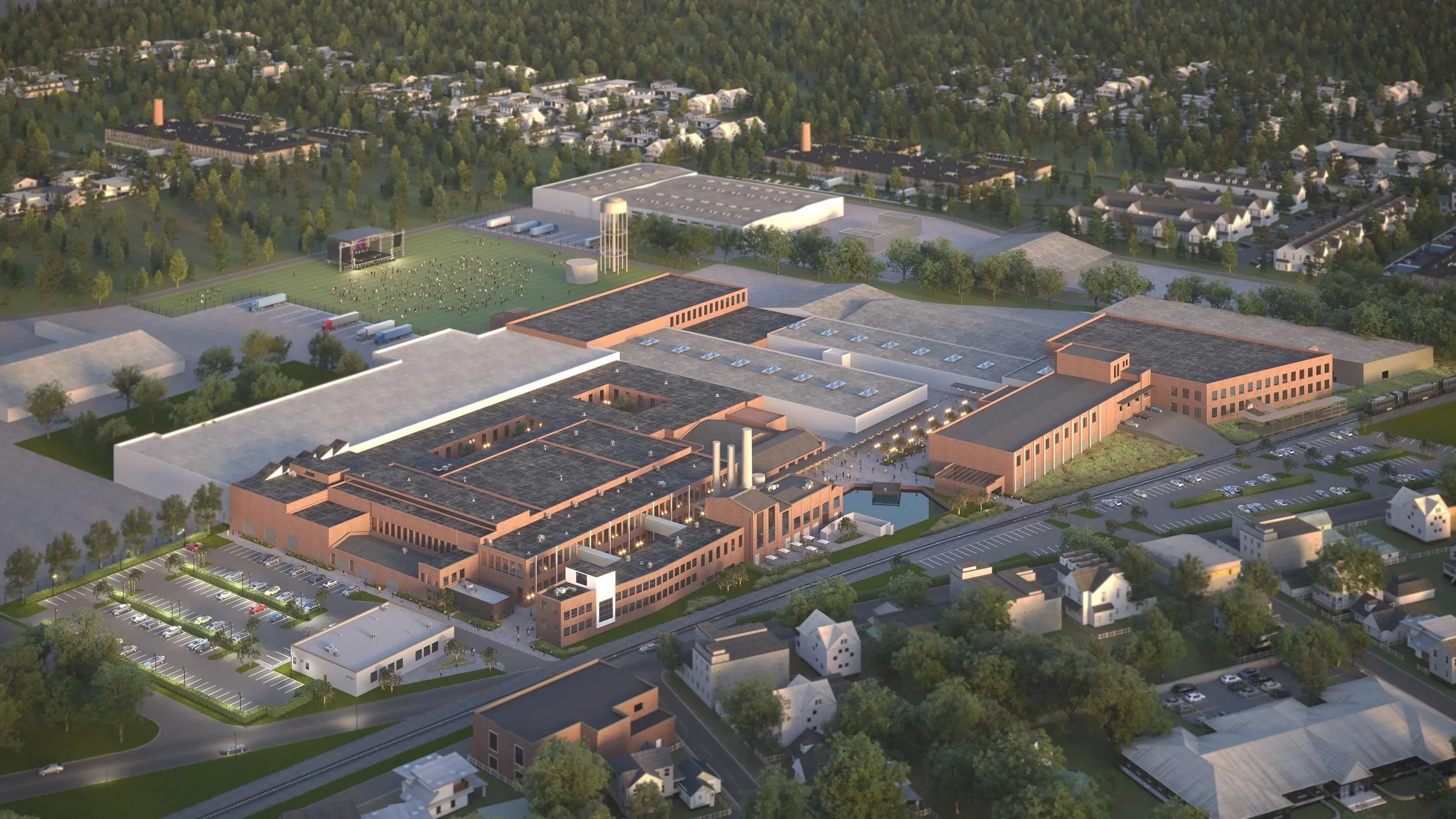
1.5 million square feet · 32 acres · Acquired May ‘22
Peerless Mill is a former historic wool mill on the southern edge of the Chattanooga MSA, ten minutes from downtown Chattanooga. The site is being redeveloped into the kind of community town center it once was for the city of Rossville, combining industrial flex space, retail, and amenities for the surrounding neighborhoods.
We recently completed a 350-unit self-storage facility on the property — the first new income-producing asset to come out of the redevelopment. The remainder of the site will be brought back online in phases over the coming years.
Peerless is the largest single project in the Hamilton Development portfolio and a long-term value-add play with multiple exit scenarios built in.
Salt Ranch Hotel - East Nashville
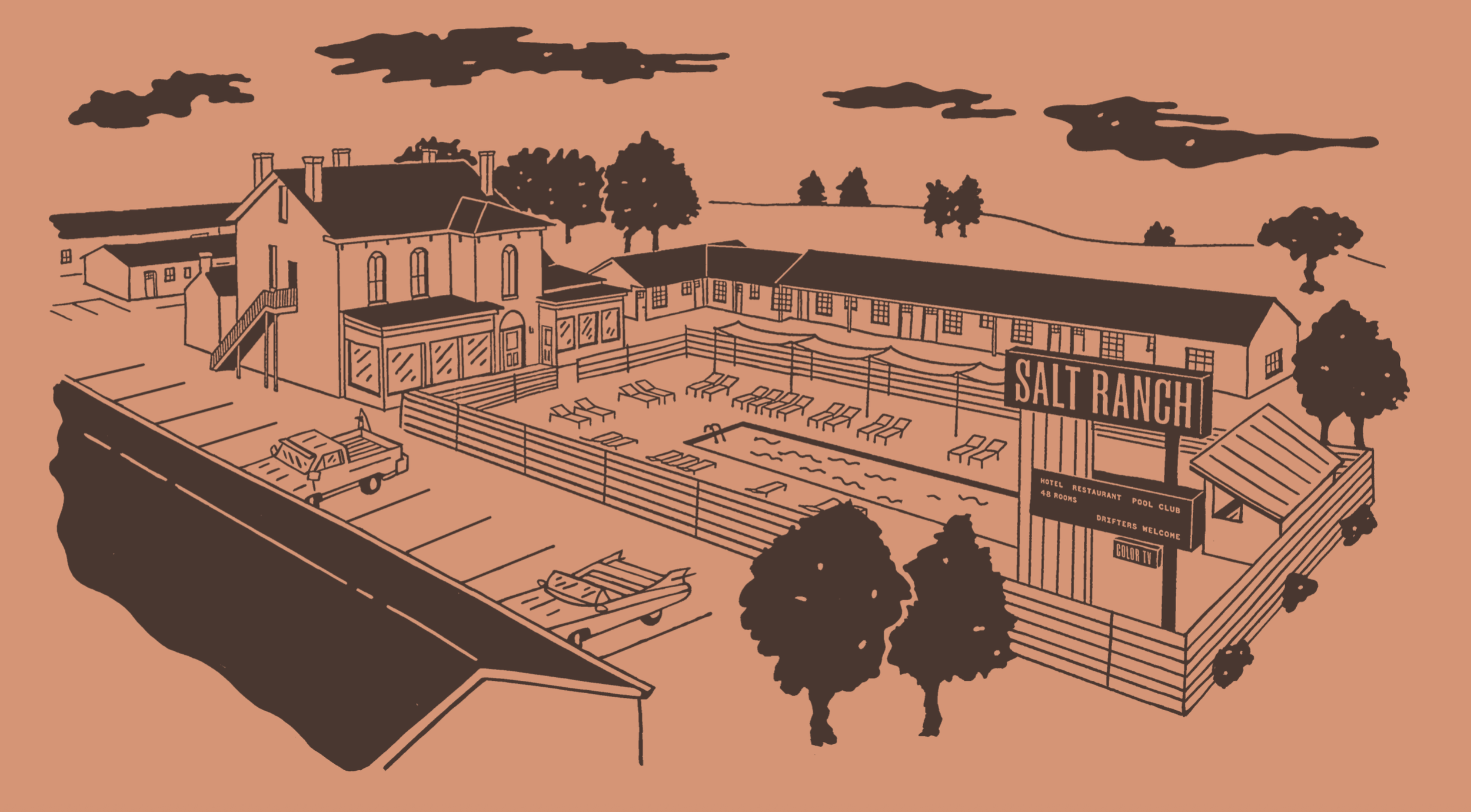
48-key boutique hotel · Acquired August ‘21 · Opened April ‘26
Salt Ranch is a top-to-bottom conversion of a 1950s motel into a 48-key boutique hotel in the heart of East Nashville. The project pairs Nashville's hospitality boom with one of the city's strongest creative-class neighborhoods.
We acquired the property in 2021, ran a full renovation through the back half of the cycle, and opened to guests on April 1, 2026. The hotel operates under its own brand.
Beyond income from operations, Salt Ranch is an example of what vertical integration looks like in practice. Hamilton Development sourced the deal, executed the renovation, built the brand, and now runs operations in-house. Most syndicators would have outsourced two or three of those steps.
Madison Square - Madison, TN
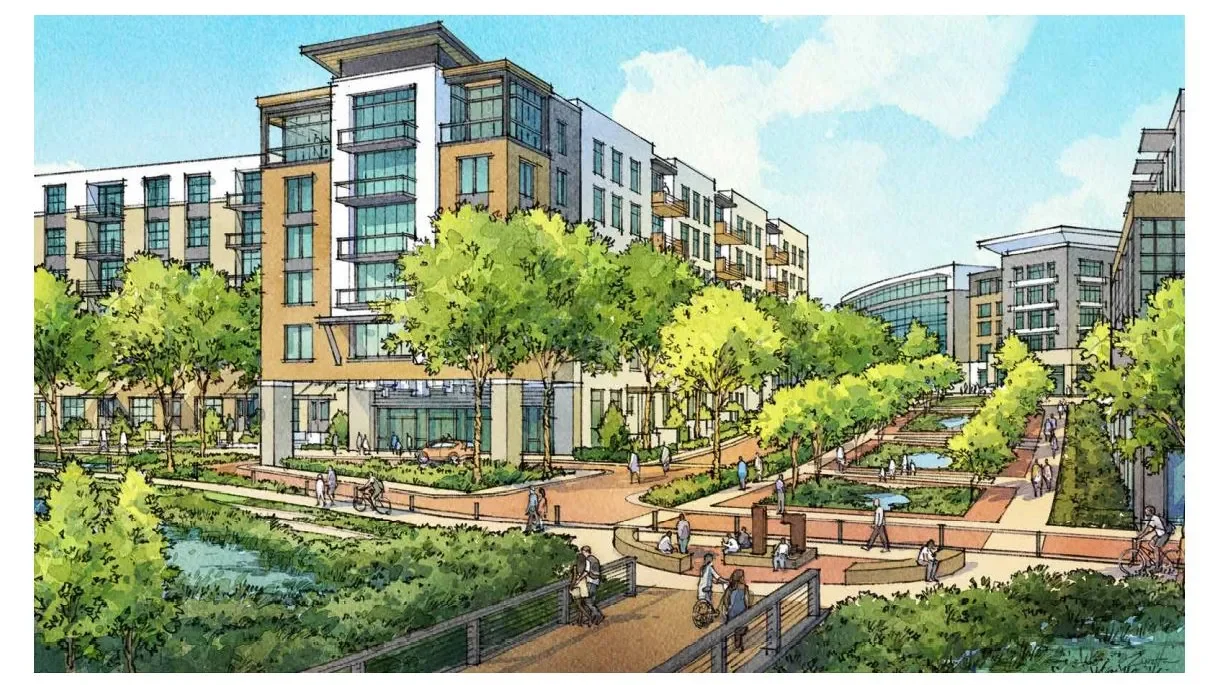
32 acres · $631M mixed-use master plan · Acquired April ‘21
Madison Square is a 32-acre mixed-use master plan on Gallatin Pike in Madison, the fast-growing northeast quadrant of metro Nashville. We acquired the site in April 2021 alongside Austin-based partners at Artesia and spent the next two years working with Metro Nashville, the surrounding community, and landscape planners at Hawkins Partners to design and entitle the project.
The approved master plan calls for approximately 1,694 multi-family residences, 216,000 square feet of office, 53,500 square feet of retail, structured parking, and a network of pocket parks and pedestrian connections. Total build-out is valued at roughly $631 million. Ten percent of the housing is committed to affordable, with 242 affordable homes (including 51 senior residences) anchoring Phase 1.
Who This Is For, and Who It's Not For
Two paths bring investors to Hamilton Development. Under SEC Rule 506(c), we can publicly extend deals to verified accredited investors. Under SEC Rule 506(b), we can also offer deals to accredited and sophisticated investors with whom we've built a pre-existing substantive relationship. Filling out the form below and having a call with me directly is how that relationship gets built. Once it's in place, you're eligible for whichever structure fits when a deal comes up. Here's the honest filter on whether this is for you.
This is for you if:
You're an accredited investor (income of $200K+ individual or $300K+ joint for the last two years with a reasonable expectation of the same this year, a net worth of $1M+ excluding your primary residence, or one of the qualifying professional licenses).
Or you're a sophisticated investor with enough knowledge and experience in commercial real estate to evaluate a deal on its merits, even if you don't meet the accreditation thresholds. (Sophisticated investors can participate in our 506(b) offerings once a pre-existing relationship is established.)
You want commercial real estate exposure in your portfolio without becoming the operator yourself.
You can park capital for the duration of a typical CRE hold (three to seven years, sometimes longer for development plays like Madison Square or Peerless).
You're comfortable reviewing a Private Placement Memorandum and asking sharper questions about it than the average investor would.
You see real estate as a multi-generational asset class, not a quarterly trade.
This is not for you if:
You're brand new to investing and don't yet have the context to evaluate a commercial real estate deal on its merits. The Beginners pillar and free YouTube content are the right place to build that knowledge first. We'll be here when you're ready.
You need access to your capital on short notice. Commercial real estate is illiquid by design. Don't invest money you'll need for an emergency fund or near-term expenses.
You expect guaranteed returns. Nobody can promise that, and anyone who does is selling you something else.
You want to control individual property decisions. As a limited partner, you're investing in our judgment as the operator, not co-managing the asset.
If you're an accredited or sophisticated investor and the rest of this fits, the next step is a conversation. Fill out the form below and I'll reach out to schedule a call. We'll talk through how Hamilton structures deals, what deal flow and minimums look like, and any current or upcoming acquisitions you'd want to be considered for. That call also establishes the pre-existing relationship required for 506(b) opportunities, so you're set for either type of offering going forward.
How Investing with Hamilton Works
From form submission to closing, here's what the process looks like.
Submit the form below
Fill out the investor inquiry form at the bottom of this page. Tell me a little about your background, what you're looking for in a commercial real estate investment, and whether you're an accredited or sophisticated investor.
We get on a call
I'll personally reach out to schedule a 30-minute conversation. We'll talk through your goals, where commercial real estate fits in your portfolio, how Hamilton structures deals, and what deal flow and minimums look like. This call is also what establishes the pre-existing relationship required for 506(b) offerings.
You see deals when they fit
Once we've connected, you're on our investor list. When a new deal comes up that matches what you're looking for, we send the offering documents (Private Placement Memorandum, investor deck, projected returns) and a window to ask questions before deciding.
You commit, or you pass
If a deal fits, you sign subscription documents and wire your investment. If it doesn't fit your situation that quarter, you pass and stay on the list for the next one. We don't push specific deals on specific people.
We do the work
Hamilton runs the asset. You receive quarterly reports, distributions when applicable, and direct access to me when questions come up. At exit or refinance, capital and returns get distributed according to the deal's waterfall.
Frequently Asked Questions
Minimums vary by deal and typically range from $50K to $250K for limited partners, depending on the size and structure of the offering. We'll go through the specific minimum for any current or upcoming deal on our intro call.
Most Hamilton Development offerings use a preferred return waterfall. Limited partners receive a preferred return first (typically 7% to 8% annualized) before any profits are split. Above the preferred return, profits are split between LPs and the General Partner, with the specific split spelled out in each deal's PPM. Value-add acquisitions look different from ground-up development projects, so we walk through the specific waterfall on any deal you're considering.
Most of our value-add commercial real estate plays target a three to seven year hold. We acquire below market, reposition the asset through capital improvements and operational changes, and either refinance or sell once the asset stabilizes. Larger projects like Peerless Mill and Madison Square are longer holds because the redevelopment timeline runs in phases. The specific projected hold for any deal is laid out in the offering memorandum.
Standard GP economics. We typically charge an acquisition fee at closing (a percentage of the purchase price), an asset management fee paid annually (a percentage of equity invested or gross revenue), and we participate in the deal's profit waterfall through GP carried interest above the preferred return. Some deals also include a disposition fee at sale.
Every fee is disclosed in the PPM before any subscription documents get signed. There are no surprise charges, and I'm happy to walk through the specific economics on any deal during our call.
Yes, in several ways. Investors in our deals receive a Schedule K-1 each year and can typically deduct depreciation and other paper losses against their share of income. For properties involving extensive renovation or new construction, cost segregation studies can accelerate that depreciation significantly. Sale proceeds may also be eligible for 1031 exchange treatment.
The exact tax outcome depends on your personal situation, so I always recommend running deals past your own CPA before investing.
Yes. Most of our offerings accept investments from self-directed IRAs and similar retirement vehicles. You'll need a self-directed custodian set up first if you don't already have one. Common choices include Equity Trust, IRA Financial, and similar firms. We can talk through whether SDIRA capital fits your situation on the intro call.
Limited partners receive quarterly performance updates with property-level financials, portfolio-level commentary, and a clear view of key metrics for each asset. Distributions, when applicable, are typically paid quarterly. Annual K-1s for tax filing are sent in the first half of each year.
Beyond formal reporting, investors have direct access to me when questions come up about specific assets or the broader market.
Real estate is illiquid and not risk-free, and any operator who claims otherwise is selling something. If a deal underperforms, the typical sequence depends on the issue. Operating shortfalls can be addressed through tighter expense management, refinancing into different debt, or in extreme cases a capital call to LPs (which would be voluntary in most of our deal structures, not mandatory). We always communicate clearly and early about any material change to the deal's outlook.
My capital sits in the same waterfall as yours, so my incentive to make every deal work is identical to a limited partner's.