The 5 Biggest Issues for Commercial Real Estate in 2023
The last decade has been a wild ride for the commercial real estate market. While it has experienced a solid increase across the board in demand, rental rates, and more, the recent pandemic and interest rate hikes have put the asset class to the test. Here are the five biggest issues facing commercial real estate to watch out for in 2023.
Would you buy a $400,000 commercial building if the bank told you to bring an extra $27,378 to closing? That’s exactly what happened in this example. In today’s Office Hours, I’m breaking down how to underwrite a commercial real estate deal from start to finish using a 4,000-square-foot retail strip center. We’re going beyond the asking price and advertised cap rate to look at the numbers that actually determine whether a deal works.
In this week's Office Hours, I'm walking you through my entire underwriting process using a real value-add industrial property in Denver, Colorado.
Starting with a $650,000 listing, I'll show you how I evaluate a property's potential, estimate renovation costs, research market rents, structure financing, and stress-test returns.
Using our CRE Central Pro Deal Analyzer, I'll break down how small changes in purchase price, rental income, financing terms, and exit assumptions can completely change whether a deal is worth pursuing.
What’s worth more: $200,000 off the purchase price—or 12 months of interest-only payments?
Most investors focus on negotiating the price. But loan terms can change a deal’s cash flow just as dramatically. On the same $2 million building, the right financing can make a big difference:
• Interest-only — How much more cash could stay in your pocket during year one?
• Amortization — How could a longer schedule improve cash flow and borrowing power?
• Recourse — What might you negotiate to limit your personal risk?
In my example, a $200,000 price reduction adds about $12,000 in annual cash flow. Twelve months of interest-only payments adds roughly $31,000 in year-one cash—and more than doubles the cash-on-cash return, from 3.6% to 7.7%.
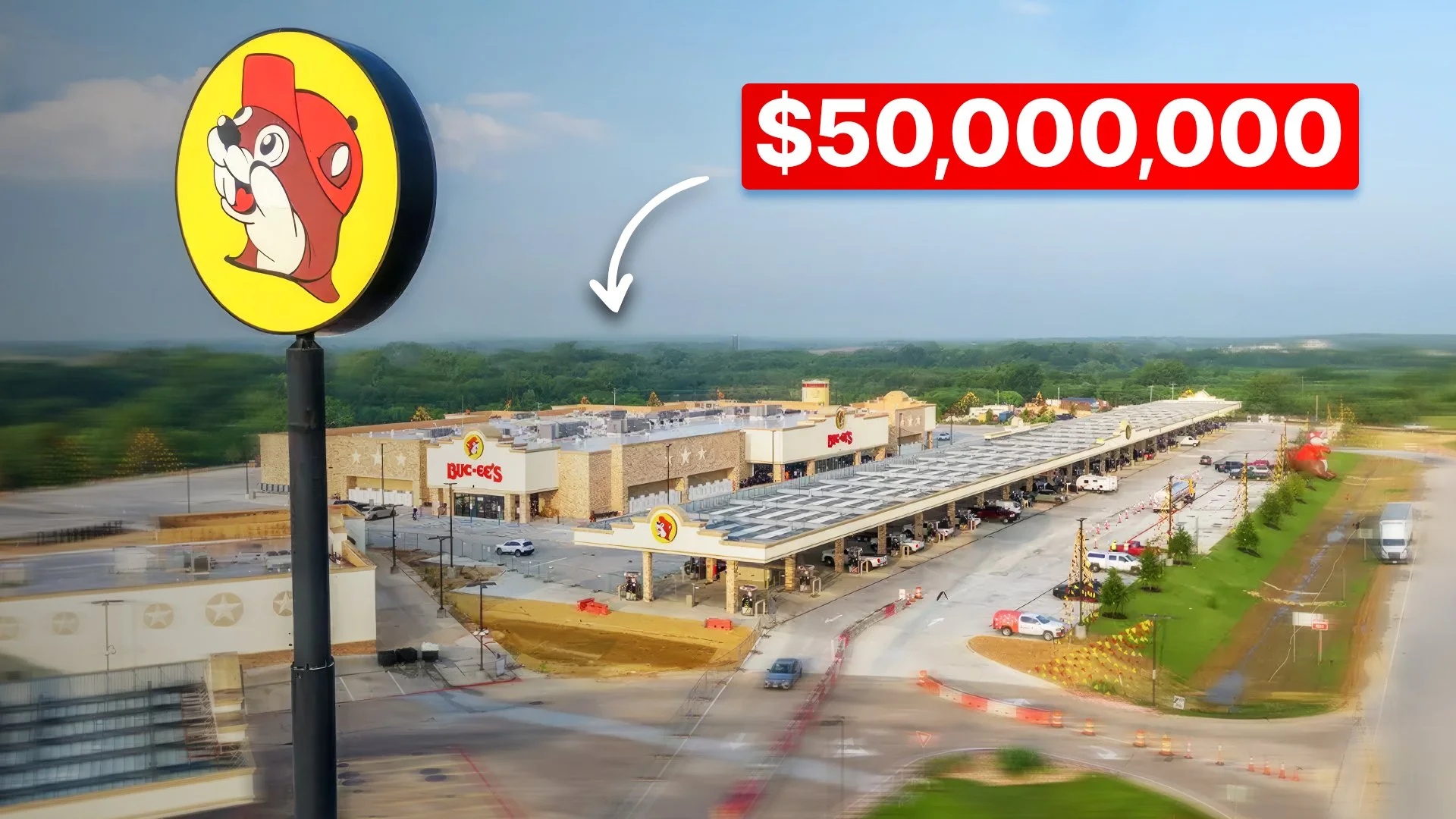
Buc-ee's spends around $50 million per store, then sells gas at almost no margin. In this video, I break down the real business model: the 75,000 sq ft retail machine running ~40% margins, why they own 30+ acres at every interchange and refuse to franchise, and the “Anchor Flywheel” that re-prices all the land around them. Plus the one move regular investors can copy: the 18-to-24-month window between a Buc-ee's announcement and opening day.
What do you pay for a building that’s 40% empty? Pricing a fully leased building is relatively straightforward. But when a big portion of the property is vacant, you’re trying to price three things at once:
• Buildout — What will it cost to get the space tenant-ready?
• Carry — How much will debt service, taxes, and insurance cost while it sits empty?
• Leasing commissions — What will you owe when you finally sign a tenant?
Most investors account for the buildout.
Far fewer properly account for the carry—and that can easily become the biggest cost.
In this live underwriting session, I’m taking a property with significant vacancy and running it two ways: the stabilized version and the version that accounts for the real cost and timeline of getting there.
Then we’ll compare the numbers and see how that should impact what you’re actually willing to pay. If you own a building with vacancy—or you’re considering buying one—this is an underwrite you need to know how to do.
In this episode, Tyler breaks down why commercial real estate listings that have been sitting on the market for a year or longer can sometimes create overlooked opportunities. Using real listings, he shows how to diagnose why a property isn’t selling, separate fixable problems from true deal killers, and use days on market, seller basis, financing, comps, and carrying costs to strengthen your negotiations.
One of the most common misconceptions in commercial real estate investing is that an 8% cap rate automatically translates into an 8% return. It doesn’t.
An 8% cap rate is simply a snapshot of a property’s income relative to its purchase price. Your actual return can look dramatically different once you factor in financing, closing costs, capital expenditures, reserves, and the accuracy of the property’s reported NOI.
How to find off-market commercial real estate deals without a platform, a broker network, or a big budget. The four edges that still work now that everyone has the same data, including the direct mail letter that turned a $435,000 building into a $650,000 appraisal in 45 days.
There has never been more data in commercial real estate. More platforms, more deal alerts, more AI underwriting tools. And it has never been harder to find a deal that actually pencils.
That isn’t a cycle. That’s cause and effect. When a listing hits Crexi, the same alert lands in hundreds of inboxes at the same second, and every one of those investors runs the same underwriting on the same pro forma against the same comp set.
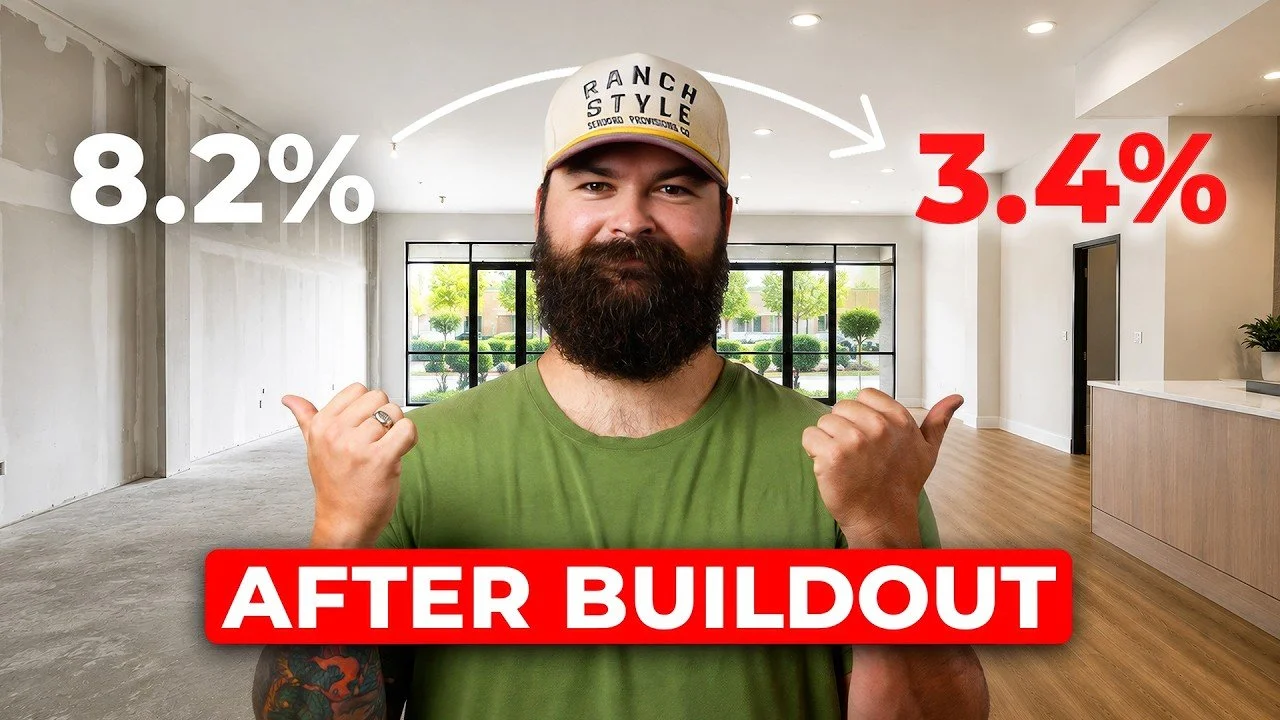
One of the easiest ways I see investors underestimate a deal is the buildout. In this episode, I’m taking a real 6,000 SF retail property and showing you how I estimate buildout costs using the CRE Central Cost Estimator — then take those numbers directly into the Deal Analyzer to see what happens to my returns. There’s a 1,500 SF vacant suite in this deal.
Your commercial real estate loan matures in 18 months. Now what?
Unlike a residential mortgage, most commercial loans don’t give me 30 years to pay them off. I’m typically working with a five-year term, which means at some point I have to refinance, sell, recapitalize, or figure out another way to handle that remaining balance.
And I’m actually going through this process on one of my own deals right now.
About Your Host:
Tyler Cauble, Founder & President of The Cauble Group, is a commercial real estate broker and investor based in East Nashville. He’s the best selling author of Open for Business: The Insider’s Guide to Leasing Commercial Real Estate and has focused his career on serving commercial real estate investors as a board member for the Real Estate Investors of Nashville.