
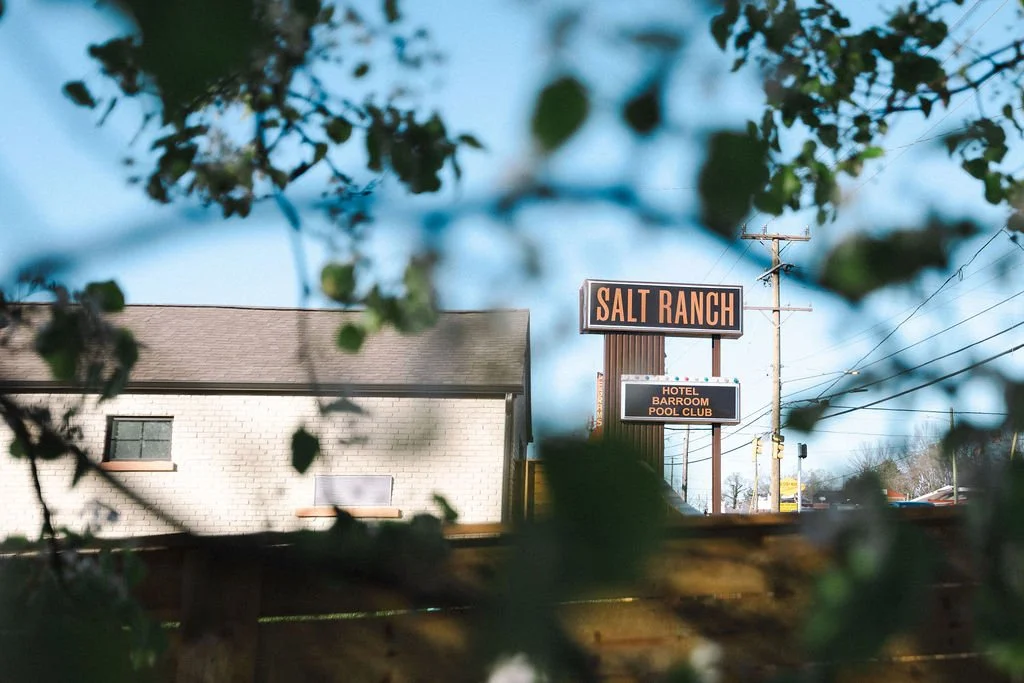
When I first walked onto that 2.5 acres in East Nashville, I saw a tired 1950s motel. The bones were there, sure. But the design was dated, cramped, and honestly, forgettable. I knew right then that boutique hotel design would make or break this project. And I wasn't interested in another cookie-cutter renovation.
I wanted something that felt like Palm Springs met Southern hospitality. Something locals would actually want to hang out at, not just tourists passing through.
This is where design separates the winners from the rest. Most boutique hotel owners don't understand this until it's too late.
Why Design Matters So Much for Boutique Hotels
Here's the brutal truth: you can't compete on price against Hilton or Marriott. And you shouldn't try. What you can do is create an experience that feels authentic and locally rooted. That's where design comes in.
Most chain hotels are designed by committees in corporate offices. Everything's beige. Everything's interchangeable. You could be in Denver or Dallas and never know the difference. That's the opposite of what I wanted for Salt Ranch.
Boutique hotels win on personality, attention to detail, and a sense of place. Every design choice has to tell a story. The color palette should feel intentional. The furniture should be chosen, not assigned. The rooms should photograph well because they look different from every other hotel you've stayed in. And it starts with understanding who's staying there and what they actually want.
The real advantage of boutique hotel design is that you can be nimble. You can say yes to custom elements. You can work with local artisans. You can create spaces that feel handcrafted instead of mass-produced. That's what commands premium rates.
The 2.5-Acre Campus Advantage
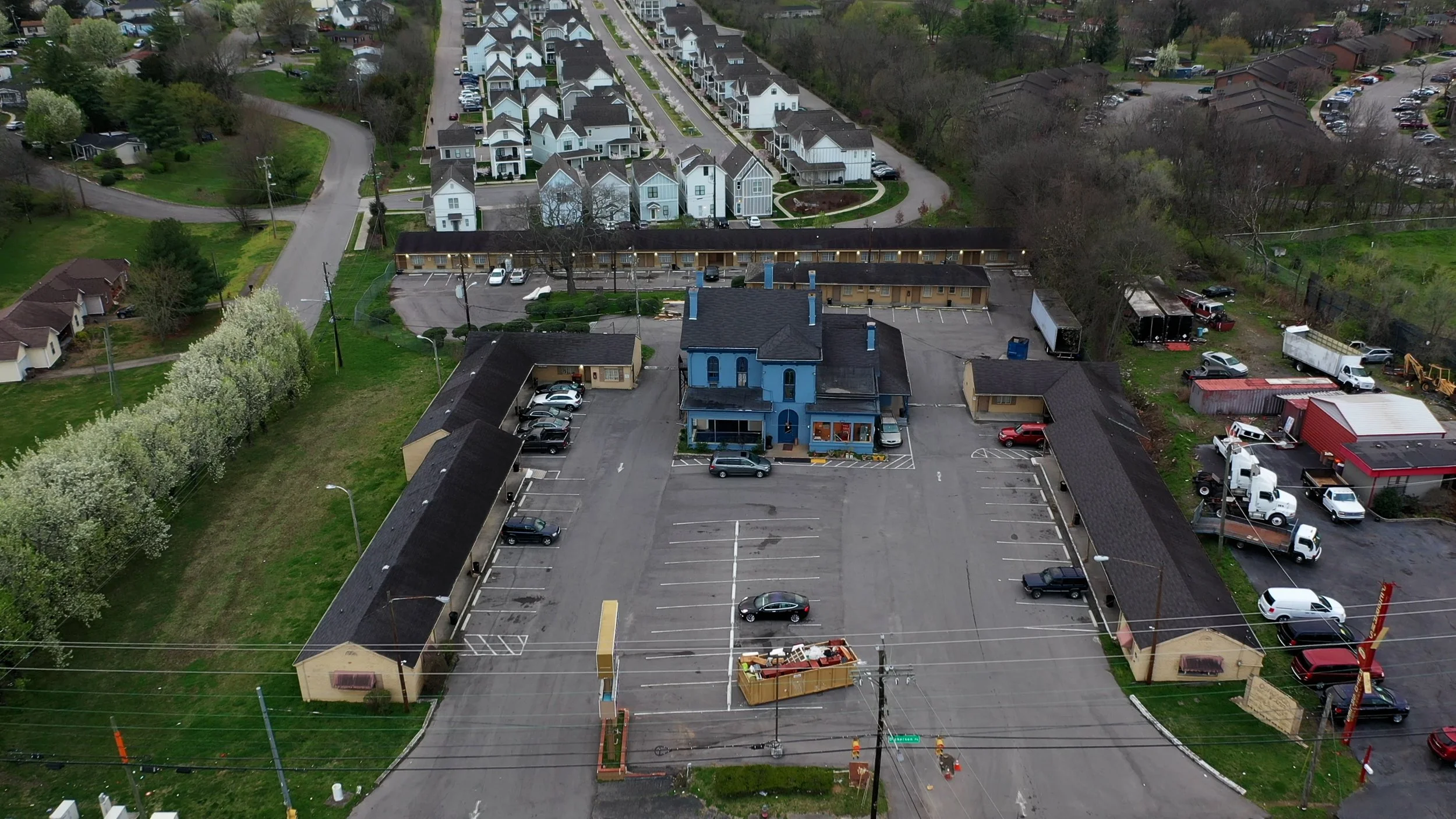
One of the biggest wins with Salt Ranch was the land. Most boutique hotels in Nashville are squeezed onto urban lots. They're vertical. Everything's compressed. You get dark hallways and limited outdoor space.
We had 2.5 acres. That changed everything about what I could design.
Instead of stacking rooms on top of each other, we have 48 rooms spread across multiple motel buildings. That meant every building could have direct outdoor access. We were designing a campus that felt like a retreat.
That land let me think bigger about the entire experience. We added a pool club. A library bar. A wine room. A restaurant. Dog park. Multiple courtyards. Fire pits scattered throughout. Outdoor nooks where you actually want to sit. And the historic Main House became the anchor.
That's a level of design complexity you can't pull off in a vertical building. Space forces better design. When you're cramped, you settle for less.
The Design Philosophy: Palm Springs Meets Southern Hospitality
I knew the vibe I wanted, but translating it into reality took real thought. I pulled inspiration from the mid-century design language of the original motel and I married it with the warm Southern hospitality of the original Hart family Summer home that is now the main house. Think desert cool mixed with Nashville warmth. Think clean lines and natural materials. Think spaces that feel both relaxed and refined.
The 48 rooms needed to feel consistent as a whole while still having character in each space. We created defined room types with different personalities. But they all shared the same design language. Same color palette. Same furniture philosophy. Guests move through the property and everything just feels right.
The swim club needed to feel like the social center, not an afterthought. The barroom needed to feel like a real bar that happens to be in a hotel, not a hotel bar trying to feel cool. The restaurant needed to compete with downtown spots, not rely on captive hotel guests.
Everything had to work for locals, as well as our traveling guests.
Working with CDP Architecture
I partnered with CDP Architecture out of Nashville on the construction drawings and overall design direction. They understood what I was trying to do immediately. They understood that design is about function and feeling, which we could accomplish by bringing the original building back to its glory.
We made strategic calls about what to keep and what to replace. The original wood flooring in the Main House? Kept it. The grand staircase? Kept it. The old casework and millwork? We preserved those details because they had character. The windows? Gone. Single-pane 1950s windows don't make sense in 2020s Nashville. We upgraded to efficient double-pane units that maintained the architectural aesthetic.
The renovation taught me hard lessons about hidden problems. We found termite damage in places we didn't expect. The electrical system was ancient and needed a complete overhaul. The plumbing was shot. These aren't failures of the design process. They're just the reality of working with an older building. But some were shocks to the budget.
The Interior Design Process and Mockup Rooms
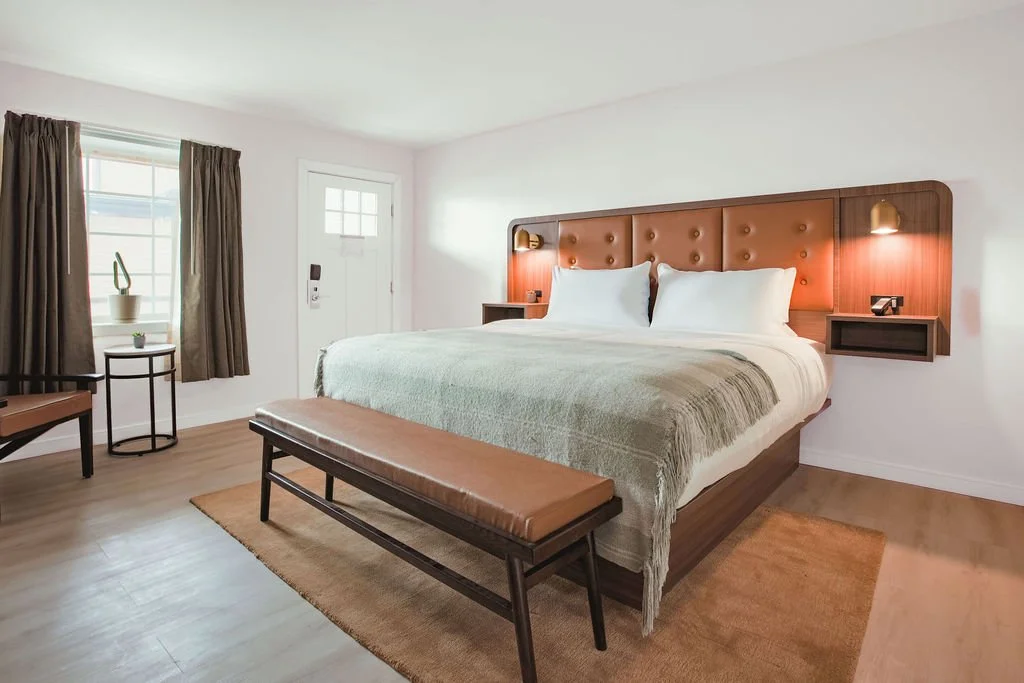
King room at Salt Ranch
After CDP nailed the construction drawings, we brought in Lynna Paradiso with LPC Creative to finalize the rooms and main house. Lynna understood hotel room design ideas that actually work at scale.
We created mockup rooms on site before ordering custom furniture for all 48 rooms. This was non-negotiable. You can't design a hotel room from a computer. You have to sit in it. You have to walk through it. You have to understand how light hits the bed at different times of day. You have to feel whether the layout actually works.
So we built two complete room mockups with our furniture manufacturer and lived in them for a week. We made changes. We swapped pieces. We adjusted colors. We tested lighting scenarios. Only after we got those mockups right did we place the full order for all the rooms.
That process saved us from making expensive mistakes. It's easy to commit to a design on a screen. It's much harder to commit when you're lying in the bed.
The Scaling Lesson
Here's something I don't hide: I started this project with a $17 million vision. When I went to get it funded, lenders pushed back - not because the project wasn't good, but because a $17 million boutique hotel was likely too large for this neighborhood at the time. The market could’ve been there, but the data wasn’t there yet to support it.
So we right-sized it to $10 million. And honestly? That was the right call.
The lesson I share with every developer now: design for the budget the market will actually support. A project that gets funded and built beats a project that never gets off the ground. When you design beyond what lenders will finance in a given area, you're not being ambitious, you're being impractical.
The smarter move is to understand your market, match your scope to what it can bear, and then execute that vision without compromise. Make intentional decisions instead of chasing a number that the market isn't ready for.
Our final design is stronger because it was built for this neighborhood, not for a version of it that doesn't exist yet.
The Details Matter: Custom Furniture, Pool Design, Signage
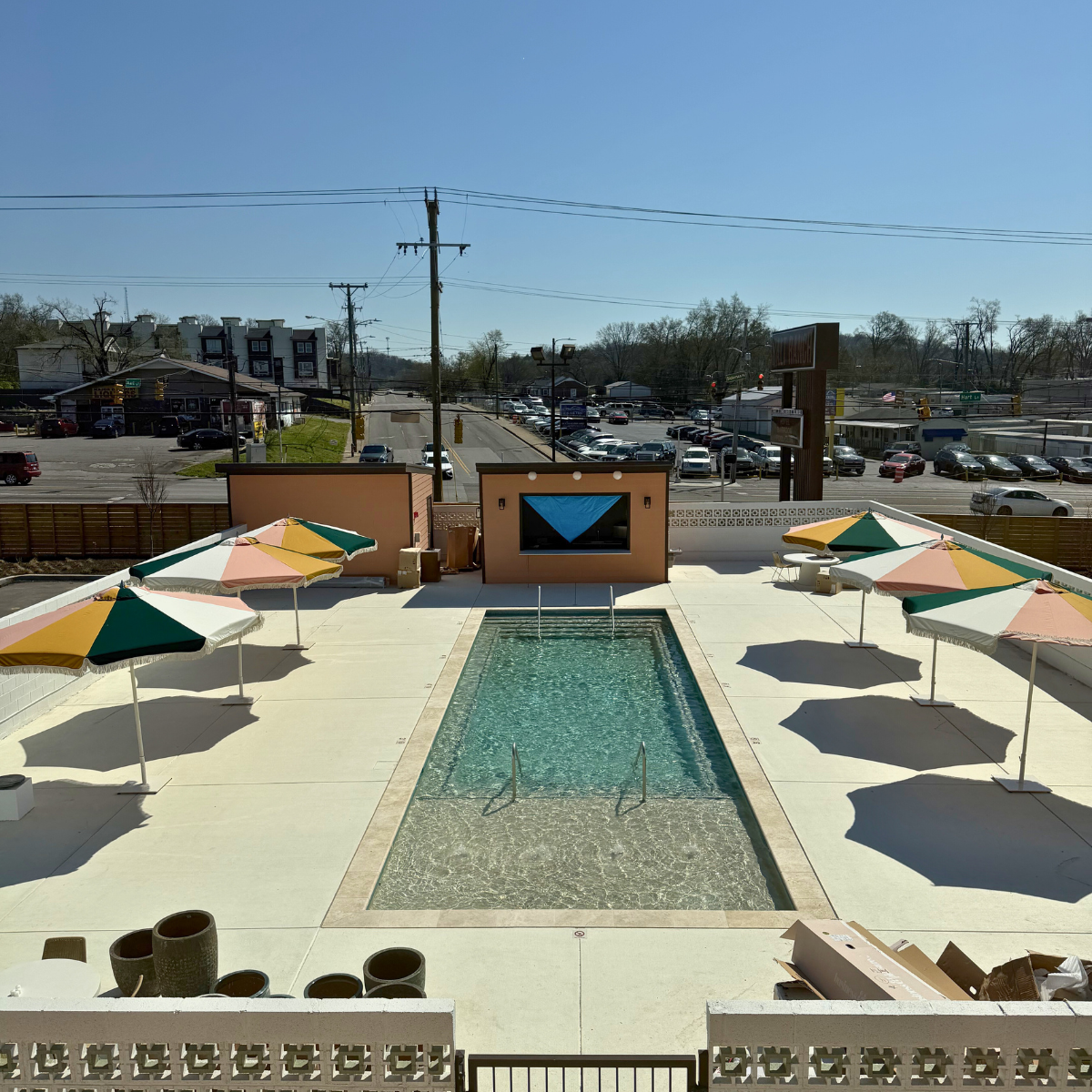
The pool at Salt Ranch
Custom furniture started arriving about halfway through construction. Watching the rooms come together was the payoff moment. Suddenly it wasn't just a construction site anymore. It was becoming a hotel.
We spent real time on details that most developers skip. The swim club has decorative tile work that took weeks to design and install correctly. The outdoor spaces have specific furniture selected for how they age in weather. The lighting throughout is intentional. Not every space is bright. Some are intimate. Some are energizing. That's design.
The Salt Ranch sign and overall branding elevated everything. We worked with a PR firm, a branding agency, and a signage artist. The sign itself became an icon. It's Instagrammable. It tells the story of what we built. That's not accident. That's design winning.
Designed for Locals, Not Just Tourists
This is a key differentiator that most boutique hotel developers miss. They design for tourists only. They build a restaurant that only makes sense for hotel guests. They build a pool that's guests-only. They create spaces that feel exclusive instead of welcoming.
I designed Salt Ranch with locals in mind, too. The food and beverage program is built to serve the experience: fresh, thoughtful pool bites and good food that fits the moment, not a menu trying to out-compete the incredible restaurants already in this neighborhood. The wine room is a destination, not a convenience store. The pool club is open to Swim Club members and day passes. The courtyards and outdoor spaces feel like community gathering spots.
If locals are hanging out there, tourists want to be there too. It becomes the hub of the neighborhood instead of an island resort.
That philosophy shaped every design decision. Space allocation. Sightlines. Menu design. Furniture quality. Everything.
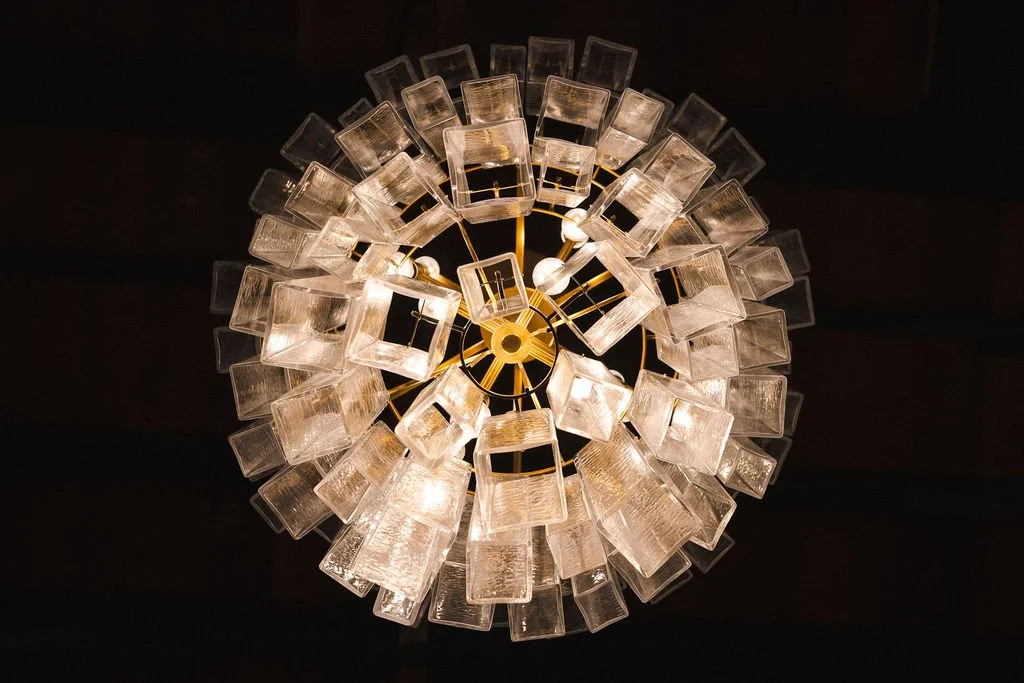
The Local Makers Behind Salt Ranch
A project like this doesn't happen without the right people. Through our interior designer, LPC Creative, we were connected to an incredible community of Nashville makers, artists, and creatives who have put their fingerprints all over this place.
Here's who made it happen.

Ebb & Iv — Alisa Jernigan
Alisa Jernigan is the quiet force behind Ebb & Iv, a vintage and antique furniture studio in East Nashville built around her belief that beautiful pieces deserve to be preserved, not thrown away. The studio was created to celebrate the cyclical life of vintage and antiques, honoring their past while securing their future. Alisa sourced furniture for Salt Ranch and was one of the most integral connectors on this entire project, linking us to maker after maker in the Nashville community. If you're looking for pieces with real character and story, she's your person. Her studio is by appointment at 1015 W. Kirkland Ave., Suite 205.
Swipe Right Art — Ashley Bergeron
Swipe Right Art is a gallery concept by photographer and curator Ashley Bergeron that nurtures emerging to mid-career artists and connects them with collectors seeking the perfect match. Ashley was instrumental in sourcing art for Salt Ranch and connected us with several of the artists you'll see on the walls. She believes art is energy that comes out of the canvas to the viewer and she collects artists, not just work. Her gallery is located inside Fifth + Broadway in downtown Nashville.
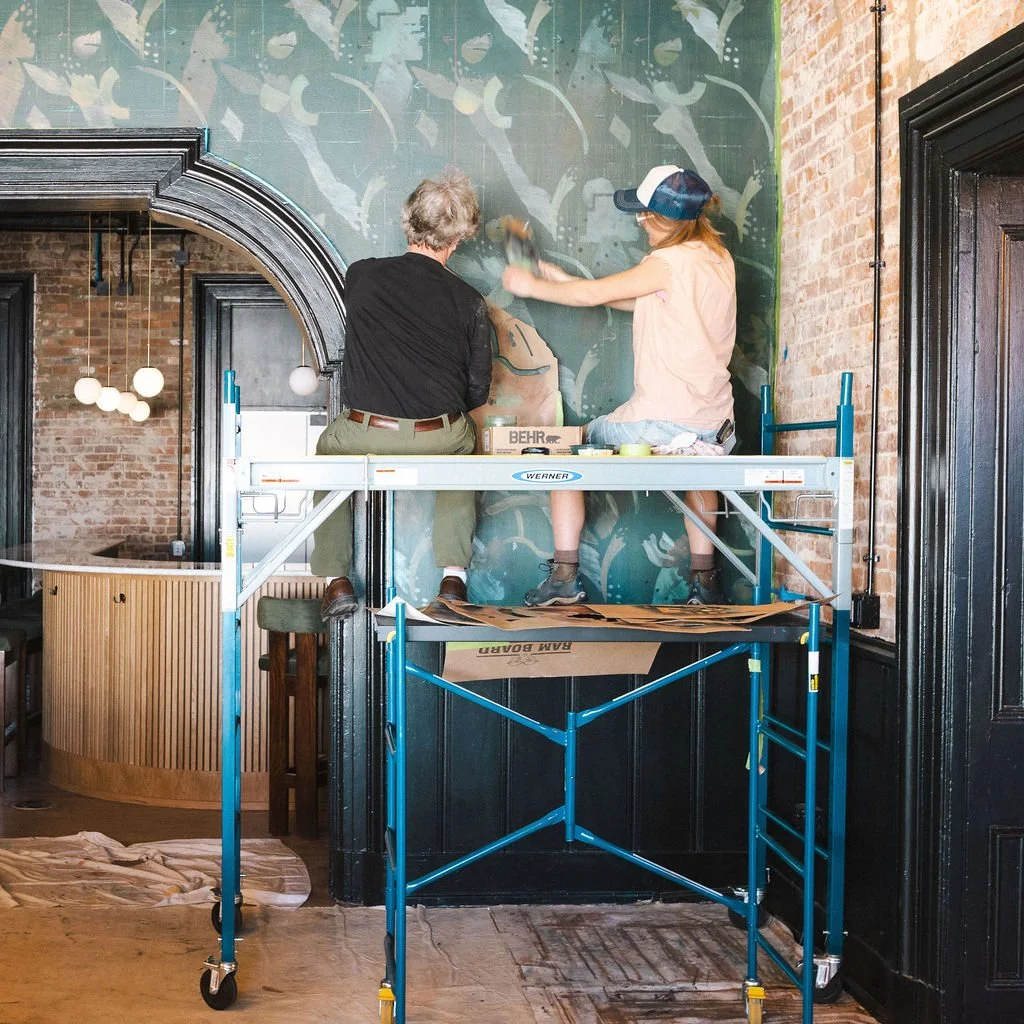
Leah is a Nashville muralist and community artist installing custom pieces directly into the Main House of Salt Ranch. Her background spans high-end commercial mural painting and urban arts-based education, with recent work including mosaics, landscape drawings, and portable murals. Keep an eye on her Instagram as her work gets installed, it'll be some of the most memorable parts of the property.
Collectible Arts — Emily Girvin
Emily has always had a passion for searching the world for special pieces — mostly antique drawings and oil paintings — and is now making those valuable works of art accessible to others, especially lifting artists who may have gotten lost in the shuffle. She provided art for the hotel and her eye for sourcing is something else. Worth following closely as we reveal more of the finished spaces.
Oasis is a Nashville-based full-service studio specializing in plantscaping and design for interior and exterior environments with a philosophy that plants don't just decorate, they transform spaces. Operated by Taylor Small, their portfolio already includes plant design at Nashville staples like The Graduate, The W Hotel, and Barista Parlor. They're handling the plants for our Main House and pool area, and if you've ever walked into one of those spots and felt the greenery was doing something, now you know why.
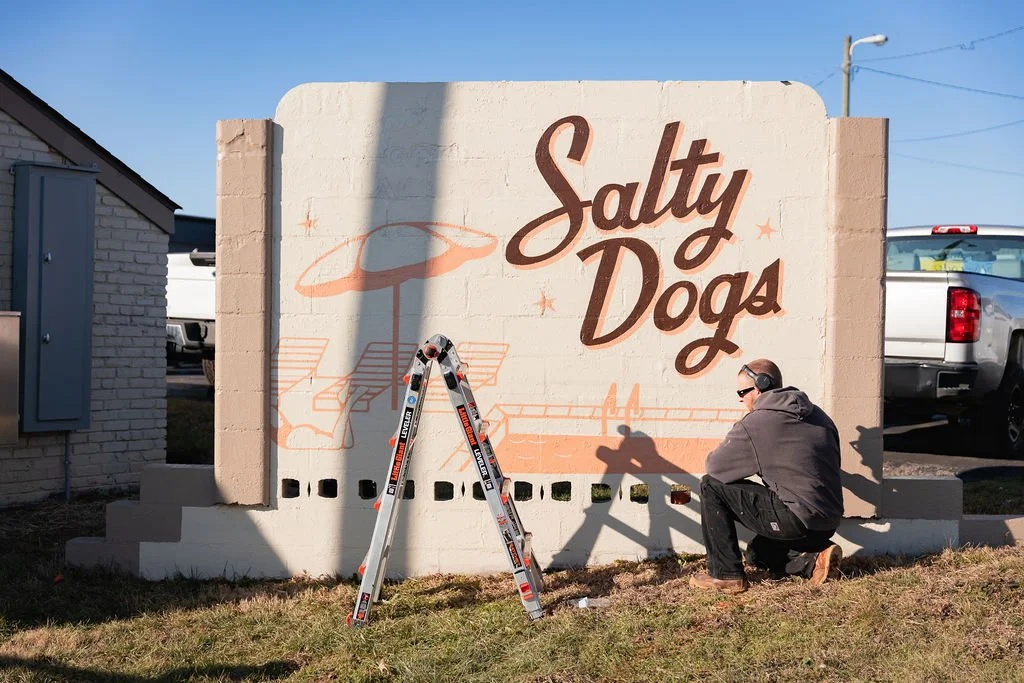
Canned Pineapple Co. is a creative studio led by Buddy and Shelby, specializing in murals, gold leaf, hand-painted signage, and large-scale artwork, with over a decade of experience transforming spaces with bold, custom designs. They handled all of our exterior painted signage at Salt Ranch. Their philosophy is that if you're willing to invest in a hand-painted sign, you're sending a message to your customers that you're committed to quality and aren't in a rush. That aligns pretty well with what we're building here.
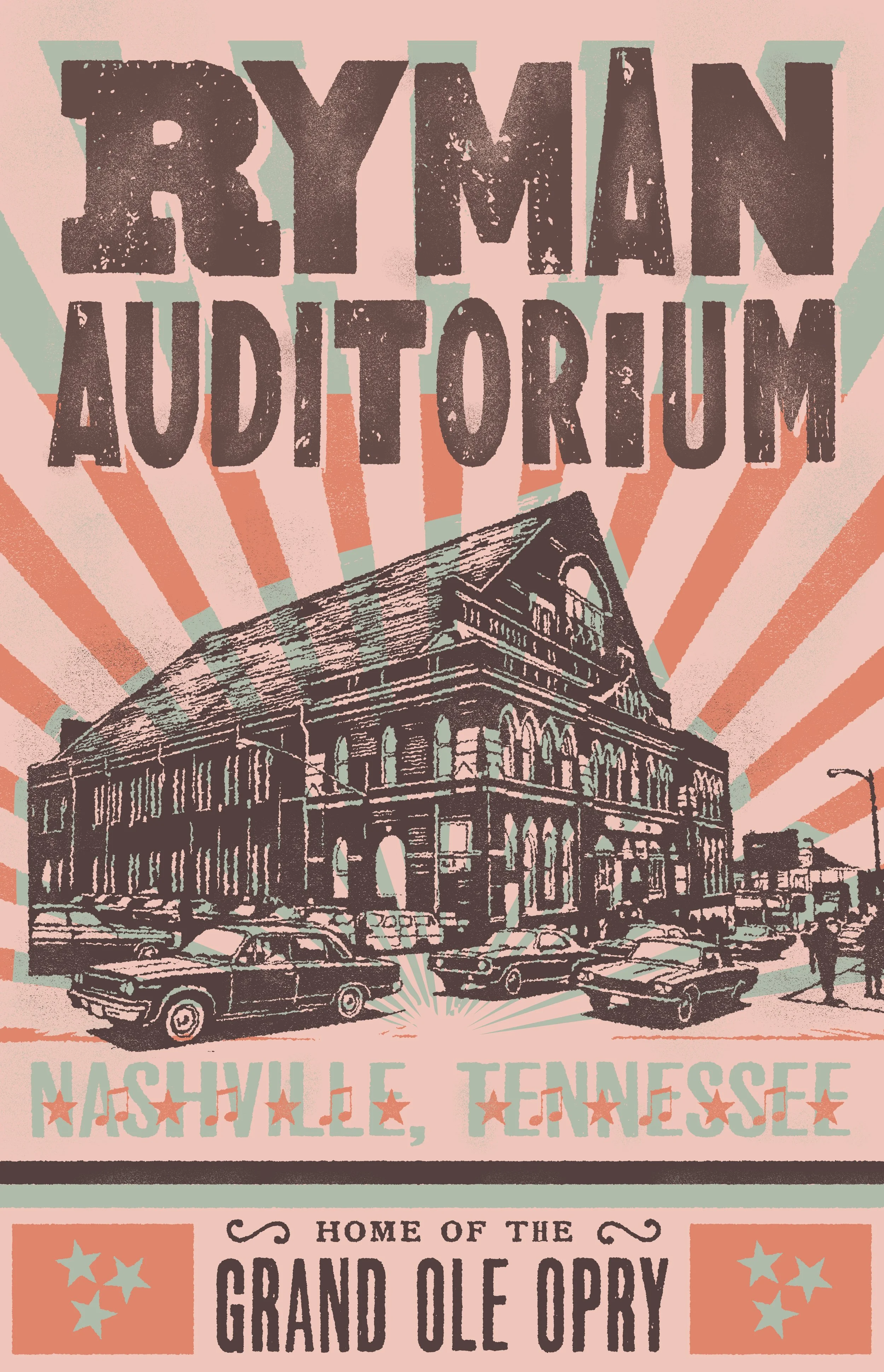
Some of the most important collaborators on a project like this are the ones you've known your whole life. Hunter is a childhood friend and graphic design artist who brought a distinct creative vision to Salt Ranch's printed and visual identity. He designed our custom hatch show prints, menus, and much of the graphic artwork throughout the property - pieces that feel rooted in Nashville's rich printmaking tradition while being entirely original to Salt Ranch. When you pick up a menu or see the artwork on the walls, there's a good chance Hunter's hand is behind it.
What I'd Do Differently
I'd start the design process with the final budget locked in. I'd spend even more time on the mockup rooms. I'd involve the operations team earlier so they have input on hotel room design ideas that actually work day-to-day. And I'd be more aggressive about saying no to nice-to-have features that didn't align with the core design vision.
But honestly? I'm proud of what we built. The design tells the story of what Salt Ranch is. It's not trying to be something it's not. It's not playing it safe. It's bold and deliberate. And that's what separates a hotel renovation that works from one that's just a facelift.
If you're thinking about motel renovation or boutique hotel development, design has to be your starting point, not your finishing thought. It's the reason people choose you. It's the reason they pay premium rates. It's the reason they come back.
That's where I always start now.
The Full Salt Ranch Story
This post is part of the Salt Ranch Series, documenting the full story of building a boutique hotel in Nashville from finding the deal to financing, design, construction, and opening day.
Read the Full Salt Ranch Series:
Boutique Hotel Design: How We Turned a 1950s Motel into Salt Ranch (You Are Here)
How to Build a Hotel: The Development Timeline Nobody Talks About
How to Start a Boutique Hotel: Lessons from Building Salt Ranch
I've also written about boutique hotels in East Nashville, the hotel market here, and development lessons that apply to projects like this. If you want the full Salt Ranch experience, visit saltranch.com.
Ready to Build Your Own Project?
If this resonates with you, I'm running the CRE Accelerator, where I teach developers how to think about boutique hospitality projects, site selection, design philosophy, and the financial model that actually works. We cover everything from land evaluation to opening day.
The goal is to help you avoid my mistakes and move faster on your own deals. If you're serious about hospitality development, let's talk.